Matte, Satin, Cream, and Gloss Lip Finishes
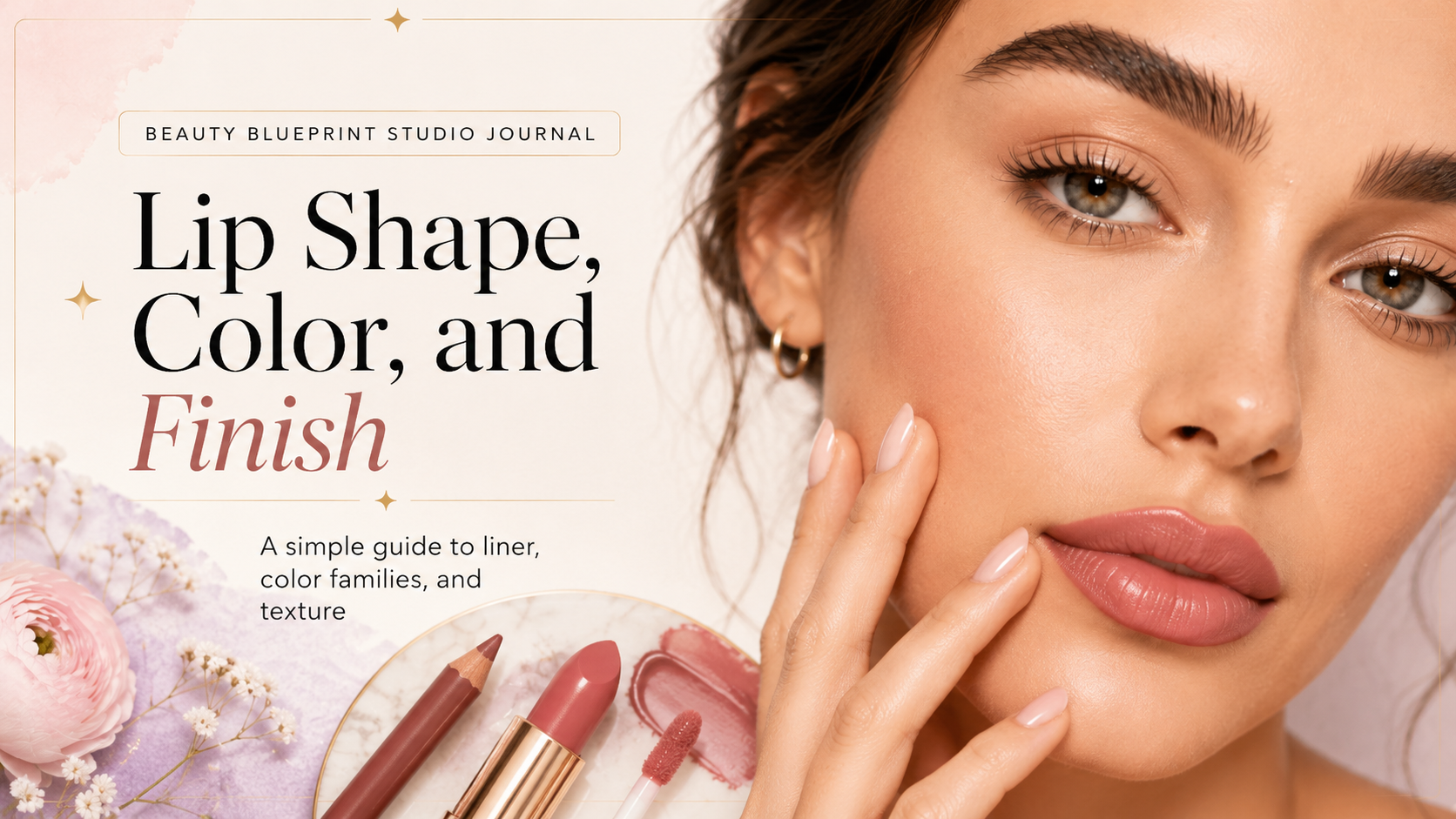
The same lip color can look completely different in matte, satin, cream, or gloss. Finish affects reflected light, apparent fullness, edge definition, comfort, and how the product wears.
Matte
Matte lipstick reflects little light and creates a crisp, saturated result. It often wears longer but can emphasize dry texture. Prepare the lips, apply thin layers, and blot rather than repeatedly adding product.
Satin
Satin has a soft sheen that looks polished without appearing wet. It offers a useful balance of comfort, color, and definition and works for both everyday and evening makeup.
Cream
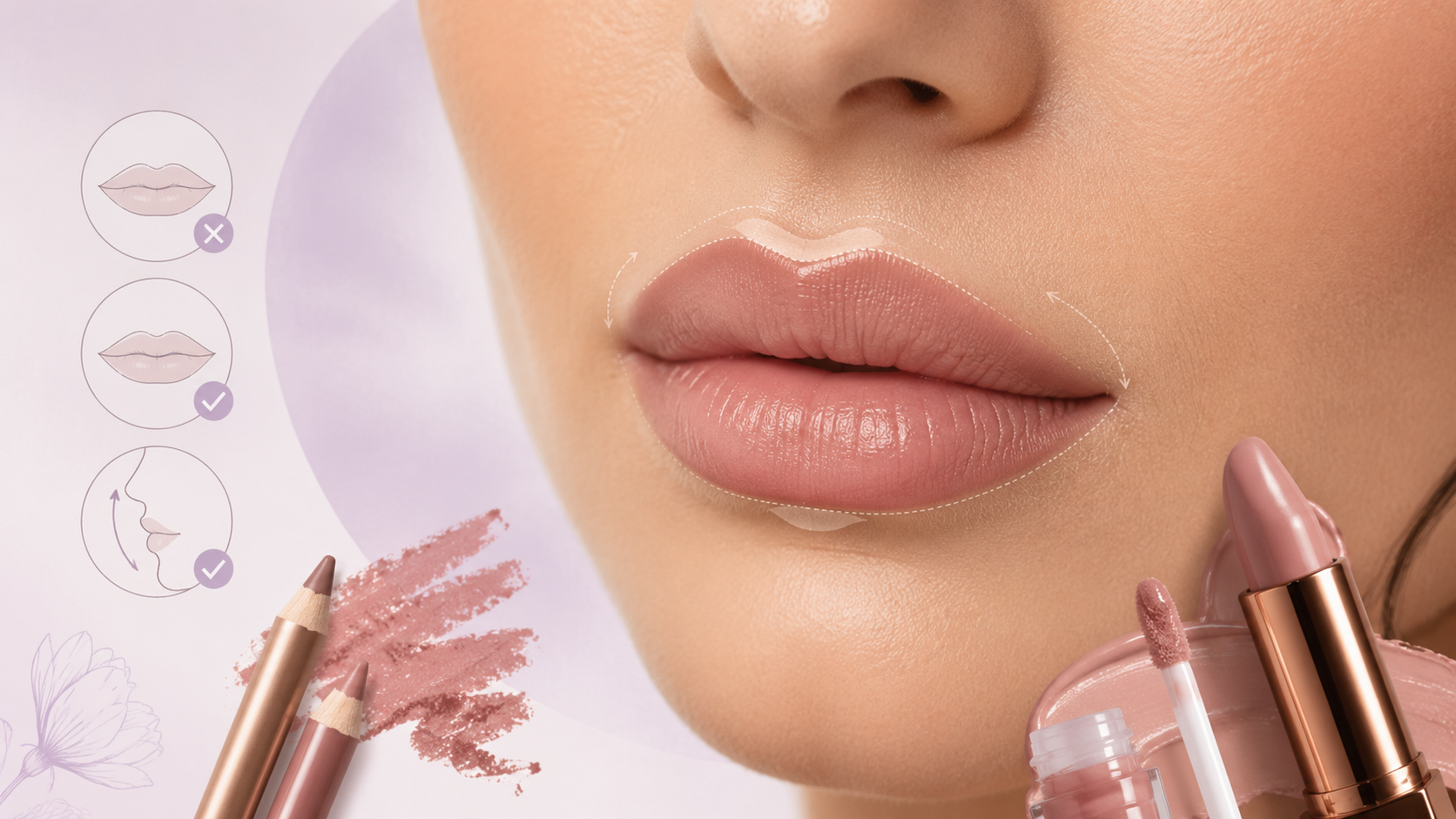
Cream lipstick has more slip and visible moisture. It is comfortable and forgiving but may transfer more easily. Lip liner can improve edge control and wear.
Gloss
Gloss reflects the most light and can make the lips appear visually fuller. Clear gloss changes texture without altering color; tinted gloss adds sheer pigment. Apply a small amount at the center for dimension or across the entire lip for a glassier finish.
Choose by goal
- Longest, strongest statement: matte.
- Classic polished look: satin.
- Comfortable rich color: cream.
- Light-reflective dimension: gloss.
Layer finishes strategically
A long-wear liner or matte base can improve structure, while a small amount of balm or gloss at the center adds comfort and dimension. Avoid placing heavy gloss far beyond the natural border because reflected light can make the edge appear less controlled.
Common mistakes
Applying matte product over flaky texture may look uneven. Too many creamy layers can slide, and thick gloss can collect at the corners or transfer to teeth.
Beauty Blueprint note: Finish can be adjusted during the day. Begin with a more durable base, then add comfort or shine only where needed.