

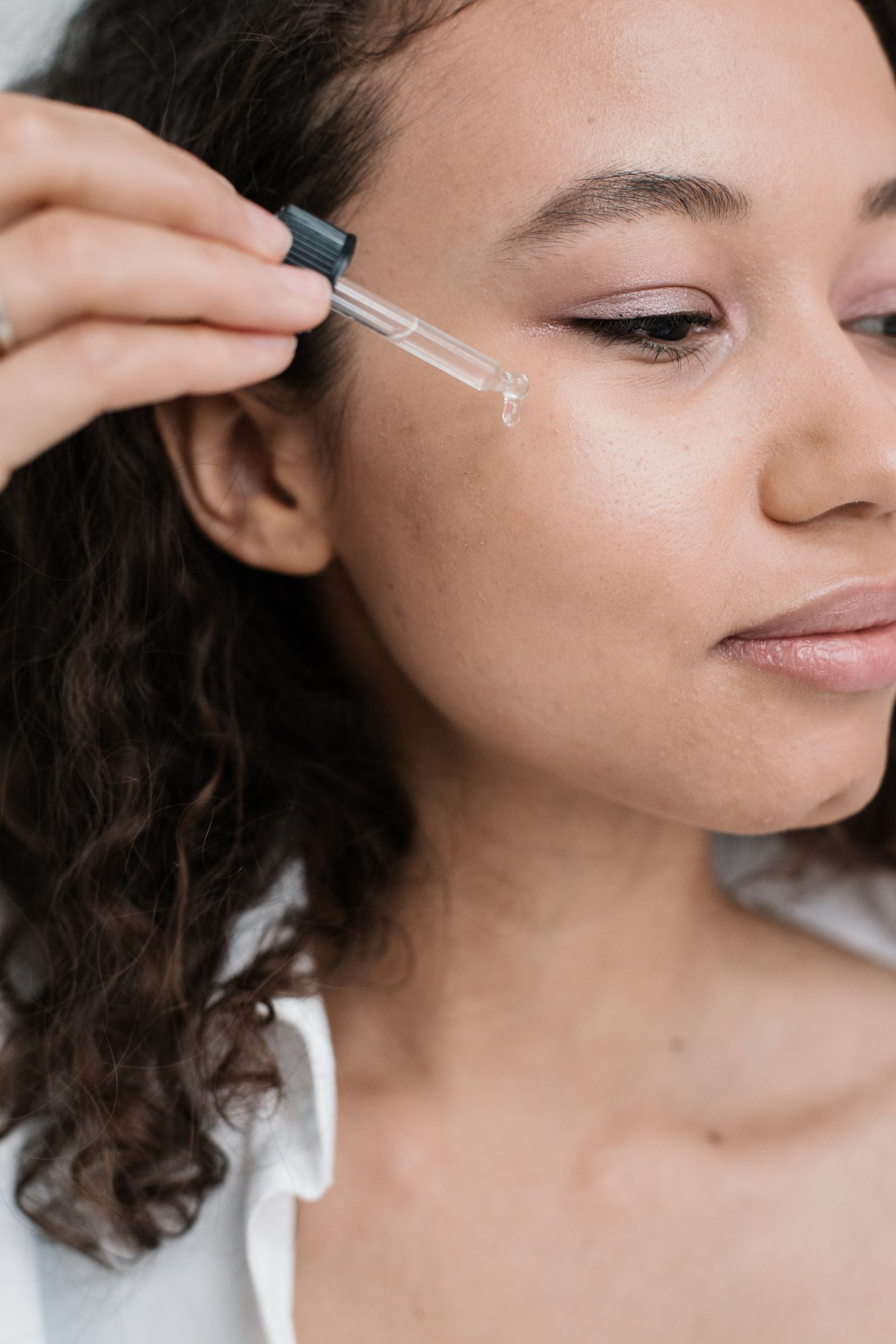
Glass Skin vs. Dewy Skin: What's the Difference? (And Which One Is Right for You?)
Meta Title: Glass Skin vs. Dewy Skin: What's the Difference? Complete Guide (2026)
Meta Description: Discover the difference between glass skin and dewy skin. Learn which trend suits your skin type, how to achieve each look, and the best makeup and skincare techniques.
URL Slug: glass-skin-vs-dewy-skin
Glass Skin vs. Dewy Skin: What's the Difference?
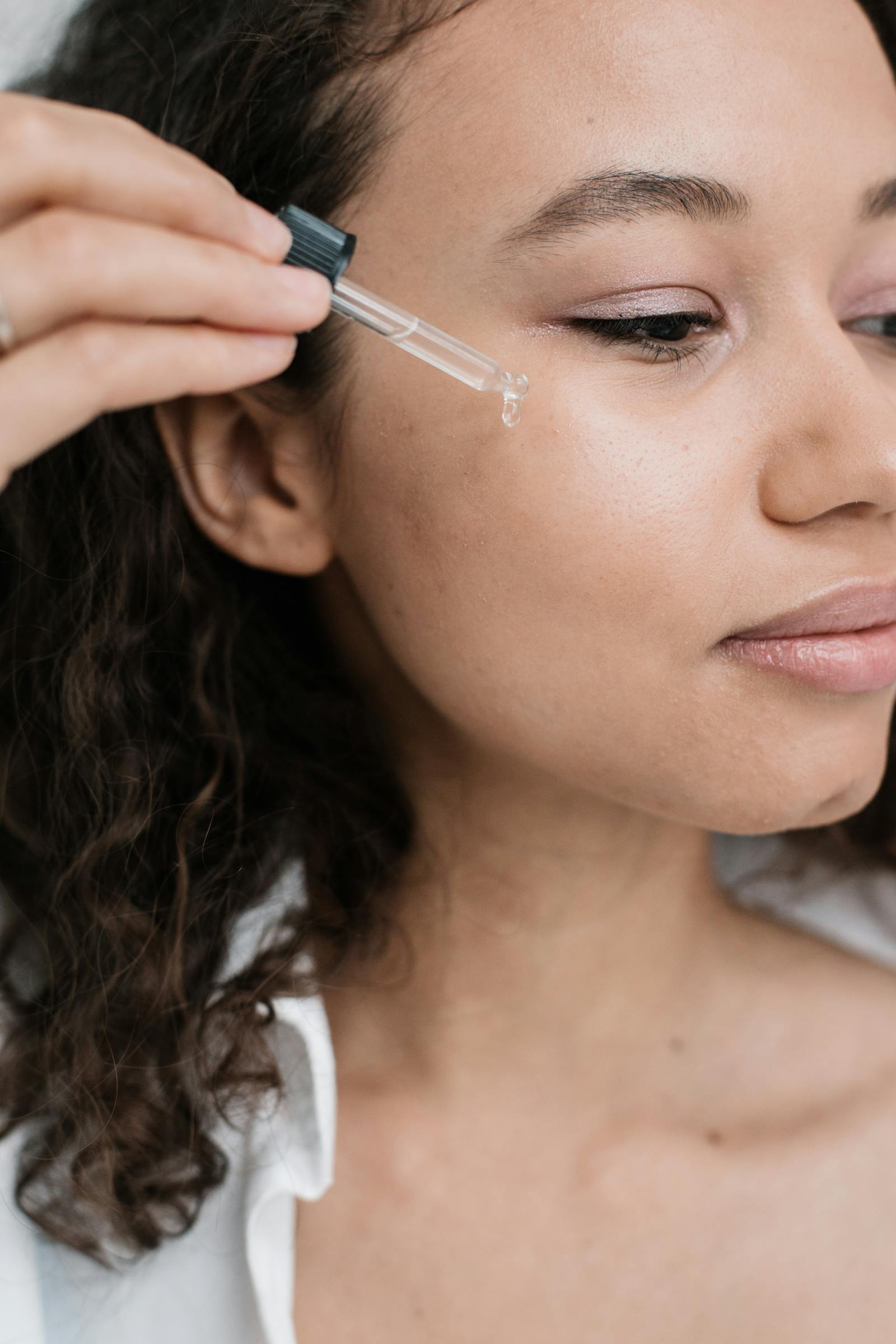
If you've spent any time on TikTok, Instagram, or beauty blogs recently, you've probably heard people talking about glass skin and dewy skin. While both trends focus on healthy, radiant skin, they're actually very different looks.
Many people use the terms interchangeably—but choosing the wrong technique for your skin type can leave you looking greasy instead of glowing.
In this guide, we'll explain exactly what separates glass skin from dewy skin, who each look is best for, and how to achieve both using products and techniques that actually work.
What Is Glass Skin?
Glass skin originated in South Korea and became one of the biggest skincare trends worldwide.
The goal is skin that looks:
- Crystal clear
- Smooth
- Extremely hydrated
- Even-toned
- Virtually poreless
- Almost reflective—like polished glass
Instead of makeup creating the illusion, glass skin begins with exceptional skincare.
The healthier your skin is underneath, the more convincing the effect becomes.
Characteristics of Glass Skin
✔ Smooth texture
✔ Invisible pores
✔ No dry patches
✔ Minimal redness
✔ Highly reflective
✔ Natural-looking radiance
Think of skin that almost appears illuminated from within.
What Is Dewy Skin?
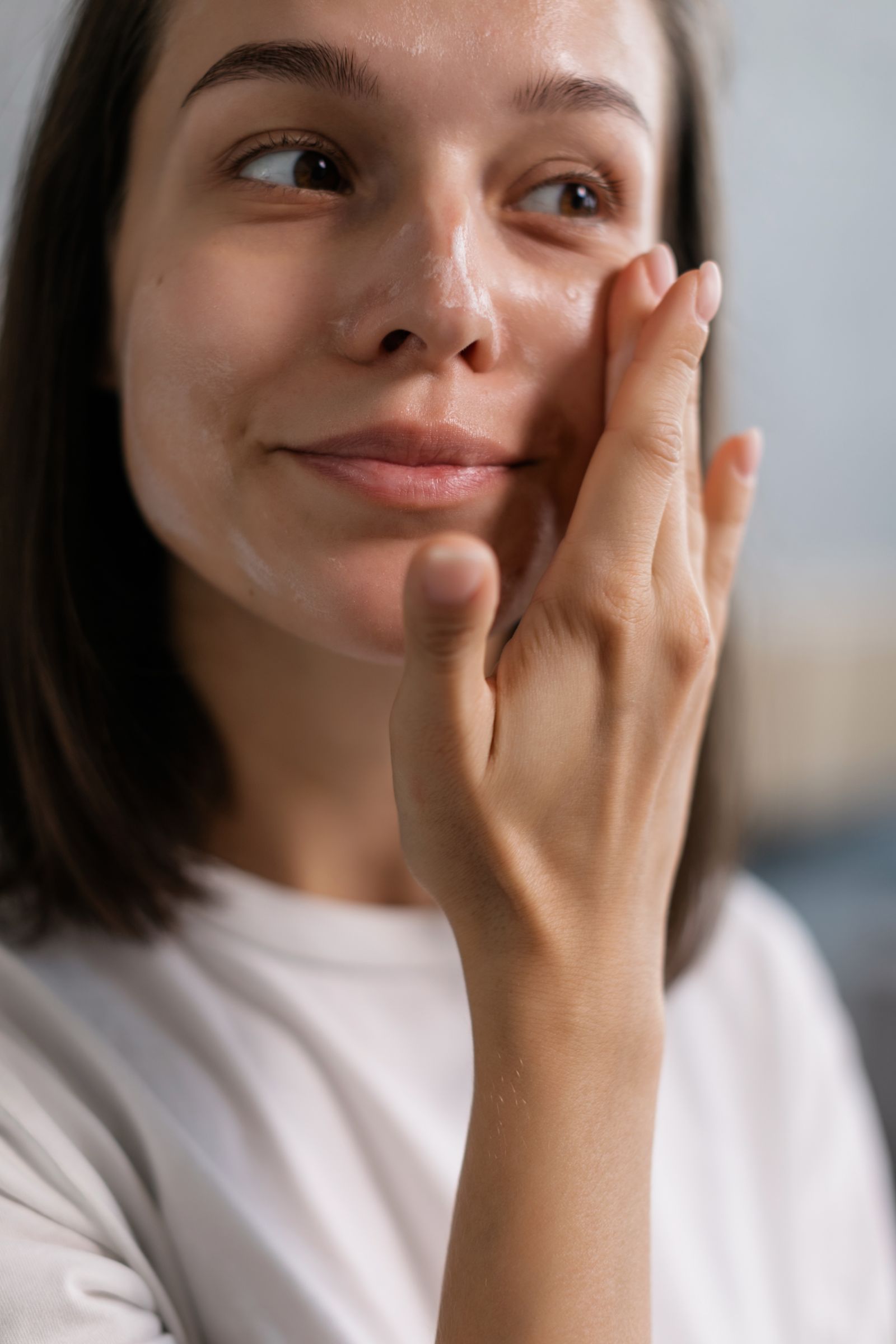
Dewy skin is much easier to achieve.
Rather than perfect skin, the goal is simply to create a healthy, moisturized glow.
The finish looks:
- Fresh
- Youthful
- Soft
- Hydrated
- Luminous
- Natural
Unlike glass skin, dewy skin is largely created with makeup.
Foundation, cream blush, liquid highlighter, and hydrating setting sprays do most of the work.
Glass Skin vs. Dewy Skin
| Feature | Glass Skin | Dewy Skin |
|---|---|---|
| Origin | Korean skincare | Makeup trend |
| Focus | Skincare | Makeup finish |
| Shine | Mirror-like | Soft glow |
| Texture | Almost poreless | Natural skin texture |
| Coverage | Minimal | Light to medium |
| Difficulty | Advanced | Beginner-friendly |
| Daily Wear | Time-intensive | Easy everyday look |
Which Skin Types Work Best?
Glass Skin Works Best For
- Normal skin
- Dry skin
- Combination skin
- Younger skin
- Well-maintained skincare routines
People with acne or enlarged pores can still achieve a glass-like appearance, but it usually requires more consistent skincare rather than simply adding more makeup.
Dewy Skin Works Best For
- Nearly every skin type
- Mature skin
- Busy lifestyles
- Beginners
- Everyday makeup
It's generally easier to customize because you can control where the glow appears.
How to Get Glass Skin
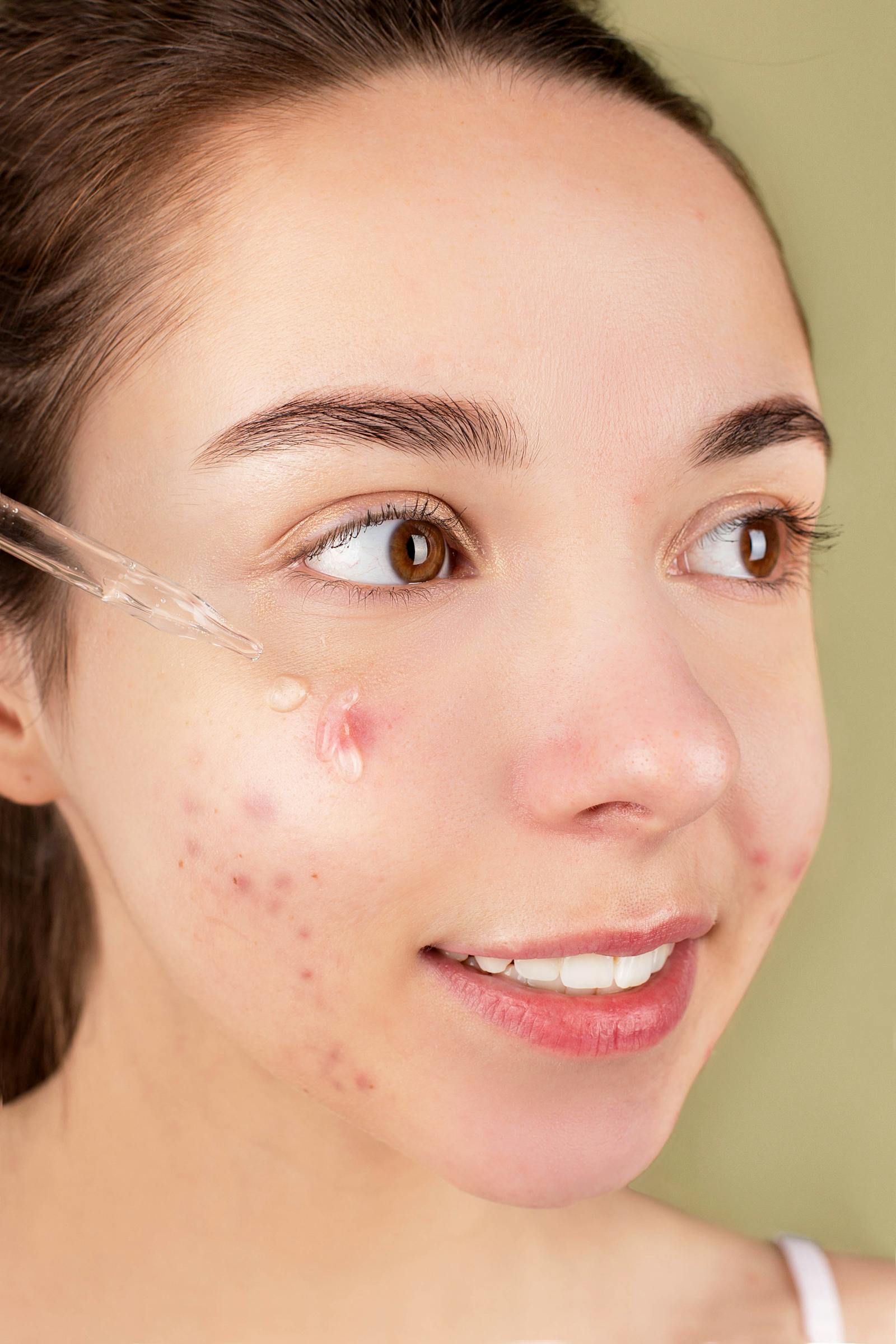
Step 1: Double Cleanse
Remove sunscreen, makeup, and excess oil without stripping the skin.
Step 2: Gentle Exfoliation
Remove dead skin cells 1–2 times per week to create a smoother surface.
Step 3: Hydrating Toner
Layer moisture rather than heavy creams.
Step 4: Essence
Essences help increase hydration while preparing skin for serums.
Step 5: Hyaluronic Acid Serum
Hydrated skin naturally reflects more light.
Step 6: Lightweight Moisturizer
Lock in hydration without creating heaviness.
Step 7: SPF
Healthy glowing skin starts with daily sun protection.
How to Get Dewy Skin
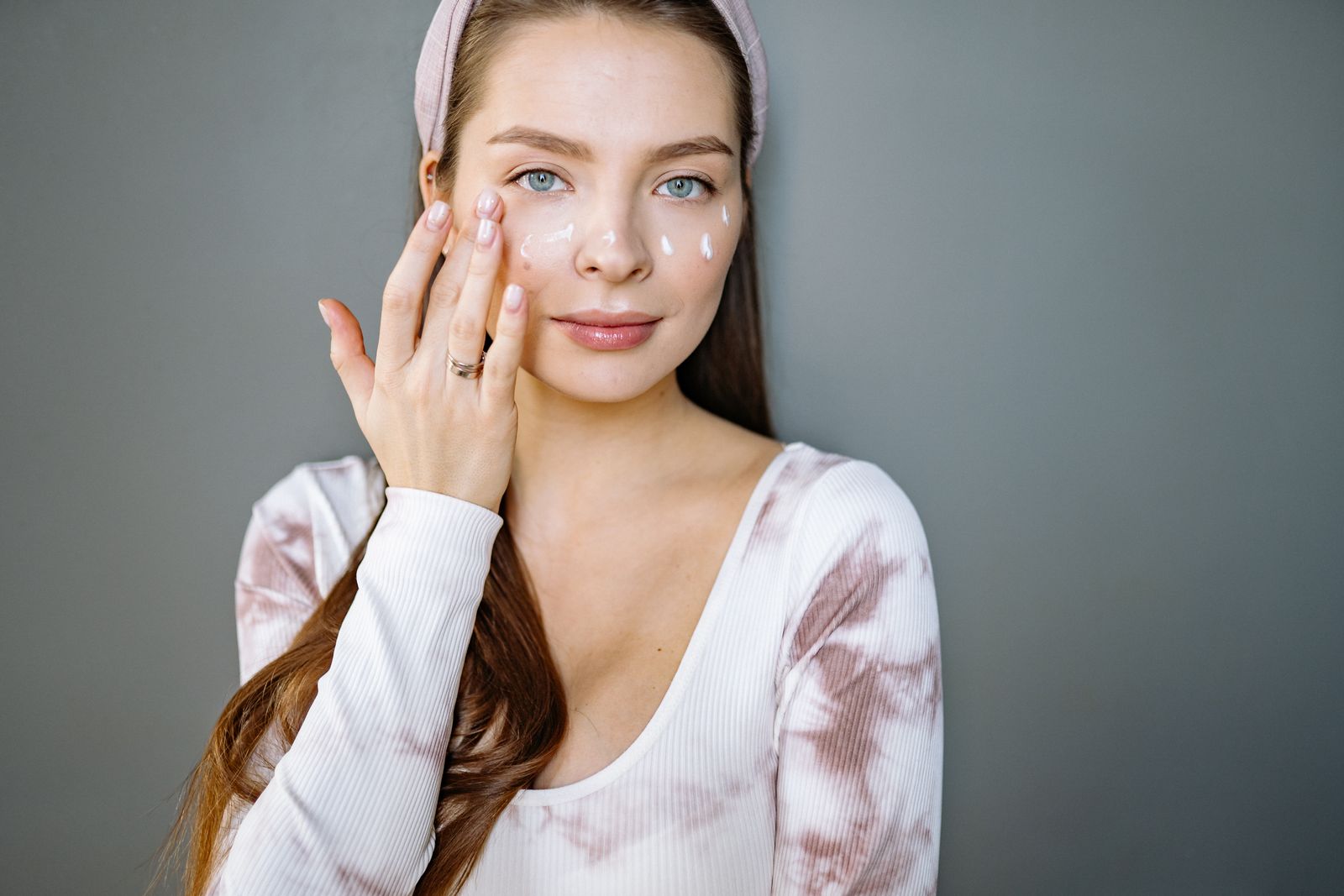
Start with hydrated skin
Even dewy makeup begins with moisturizer.
Choose luminous foundation
Avoid heavy matte formulas if your goal is glow.
Use cream products
Cream blushes, bronzers, and highlighters blend seamlessly into the skin.
Highlight strategically
Apply glow to:
- Tops of cheekbones
- Brow bone
- Bridge of nose
- Cupid's bow
Avoid applying highlighter everywhere.
Finish with a hydrating setting spray
This melts makeup together while enhancing a healthy finish.
Common Mistakes
Trying to fake glass skin with highlighter
Glass skin comes from hydration—not shimmer.
Using too much foundation
Heavy foundation hides the natural luminosity you're trying to achieve.
Powdering the entire face
Leave the high points of the face radiant.
Ignoring skincare
Even the best makeup performs better on healthy skin.
Which Look Makes You Look Younger?
For most people, dewy skin is the more forgiving choice.
A soft, hydrated finish can make skin appear fresher and more youthful, especially on mature skin. Glass skin can also look youthful, but because it emphasizes an ultra-smooth complexion, it may highlight texture if the underlying skin isn't already very even.
The most flattering approach is often a balance: healthy skincare with a controlled, natural glow rather than an overly shiny finish.
Frequently Asked Questions
Is glass skin oily?
No. Glass skin appears luminous because it is deeply hydrated—not because it is oily.
Can oily skin achieve glass skin?
Yes, but focus on balancing oil production while maintaining hydration. Lightweight, non-comedogenic products are usually the best choice.
Is dewy skin the same as glowing skin?
Not exactly. "Glowing skin" is a broad term. Dewy skin refers to a specific makeup finish that looks fresh and moisturized.
Which look lasts longer?
Glass skin can last throughout the day if your skincare is well-established. Dewy makeup may need light touch-ups depending on your skin type and the products used.
Final Verdict
Both trends celebrate healthy-looking skin, but they achieve it in different ways.
- Choose Glass Skin if you're willing to invest time in a consistent skincare routine and want a polished, ultra-smooth complexion.
- Choose Dewy Skin if you want a quick, wearable glow that's easy to recreate with makeup.
The best choice isn't the one that's trending—it's the one that complements your skin type, lifestyle, and personal style.
Discover Your Most Flattering Makeup Blueprint
Every face is unique. The placement of blush, contour, highlight, brows, and eye makeup that flatters one person may not suit another. At Beauty Blueprint Studio, our personalized makeup analyses help you choose techniques based on your face shape, features, and beauty goals—so your glow looks naturally yours, not just trendy.

%0AMeta%20Description:%20Discover%20the%20difference%20between%20glass%20skin%20and%20dewy%20skin.%20Learn%20which%20trend%20suits%20your%20skin%20typ...)