7 Skincare Trends Shaping 2026: Smarter, Gentler Skin Care
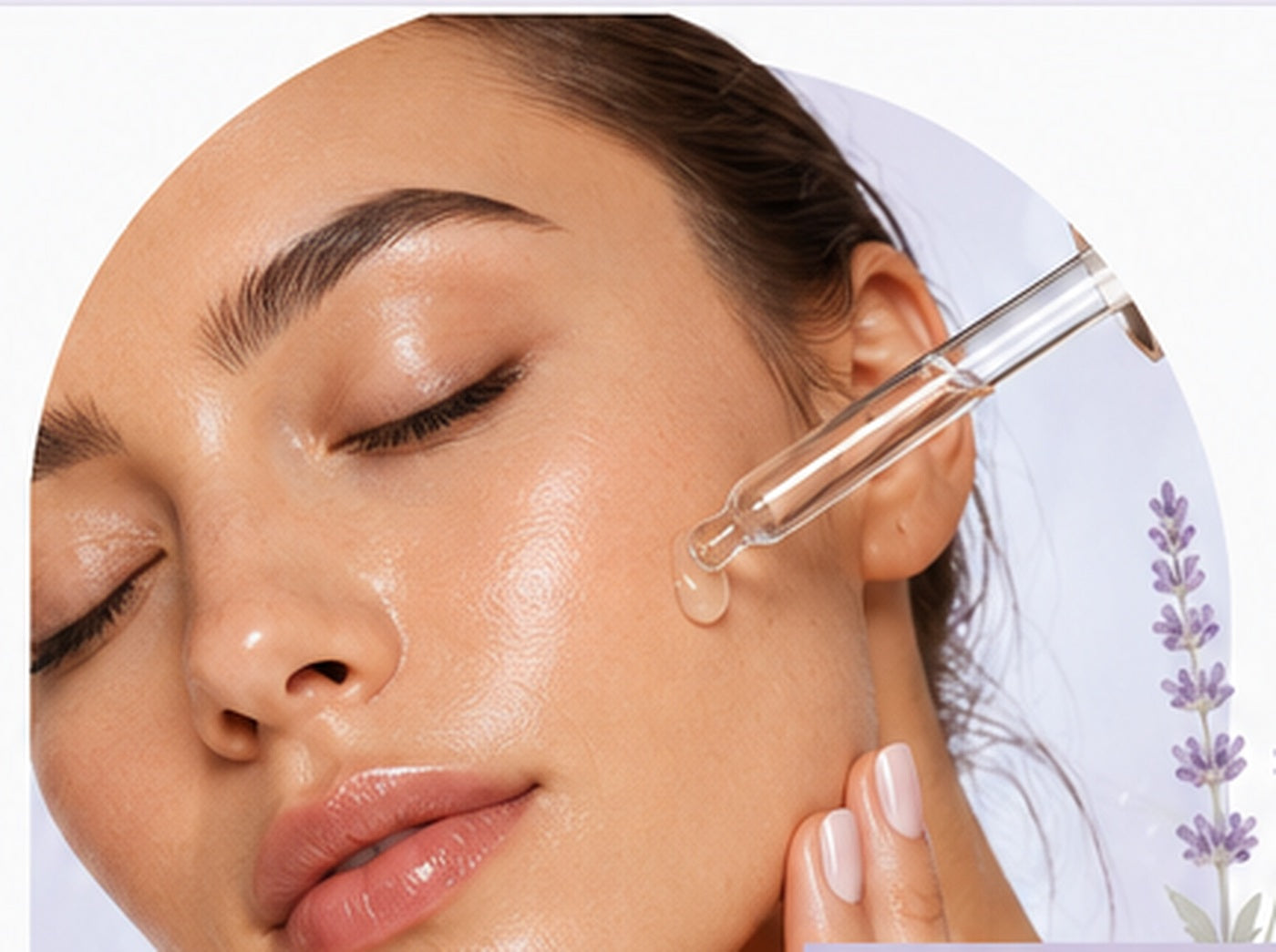
The biggest skincare story of 2026 is not one miracle ingredient. It is a wider shift toward healthier skin barriers, targeted formulas, simpler routines, and results that come from consistency rather than excess.
For years, beauty trends encouraged people to add more: more acids, more active ingredients, more steps, and stronger treatments. The direction is changing. In 2026, skincare is becoming more precise, more supportive, and more realistic about what healthy-looking skin requires.
These seven trends reflect a thoughtful, skin-first approach that also helps makeup apply more smoothly and wear more naturally.

1. Gentle Exfoliation Replaces “Stronger Is Better”
Exfoliation is not disappearing, but harsh scrubs and aggressive acid combinations are losing favor. The new goal is to encourage smoother-looking skin without leaving it tight, irritated, or overly sensitive.
Gentler options may include:
- Polyhydroxy acids, commonly called PHAs
- Enzyme-based exfoliants
- Mandelic or lactic acid formulas
- Exfoliating products buffered with ceramides, panthenol, beta-glucan, or allantoin
This approach can be especially helpful when makeup catches on dry patches or looks uneven after too many active products have been used together.
Beauty Blueprint tip: Begin slowly, follow the product directions, and avoid introducing several new active products at the same time. Stop using a product that causes persistent burning, swelling, or worsening irritation.
2. Lip Care Becomes a Complete Skincare Category
Basic lip balm is being joined by more specialized treatments intended to hydrate, smooth, protect, and support the delicate lip barrier.
Popular formats include:
- Overnight lip masks
- Peptide lip treatments
- Hyaluronic-acid balms
- Gentle exfoliating lip serums
- Ceramide-rich ointments
- Broad-spectrum lip products with sun protection
When lips are cracked or inflamed, rough scrubs may make them feel worse. A simple, non-irritating moisturizing ointment is often the better starting point until the area feels comfortable again.
Beauty Blueprint tip: Apply lip care before beginning makeup so it has time to soften dry texture before lip liner or lipstick is added.

3. Microbiome-Conscious Skincare Moves Into the Mainstream
The skin is home to a complex community of microorganisms that interacts with the skin barrier. Research continues to explore how this ecosystem relates to dryness, sensitivity, inflammation, and other visible concerns.
Microbiome-conscious skincare does not mean that every product labeled “probiotic” will transform the skin. The broader trend is about avoiding routines that repeatedly strip or irritate the surface.
This may involve:
- Using a gentle cleanser rather than washing until the skin feels squeaky
- Avoiding unnecessary or overly frequent exfoliation
- Supporting the barrier with moisturizers containing ceramides and humectants
- Considering prebiotic or postbiotic ingredients in well-formulated products
- Giving the skin time to adjust before adding another treatment
Beauty Blueprint tip: When skin feels irritated, adding more foundation rarely solves the underlying texture problem. A calmer, hydrated surface generally creates a smoother makeup canvas.

4. The Gut–Skin Connection Receives More Attention
Nutrition is becoming a larger part of the skincare conversation, particularly the relationship between the gut microbiome, inflammation, blood-sugar regulation, and skin health.
Fiber-rich foods support digestive health and beneficial gut bacteria. Fruits, vegetables, beans, lentils, seeds, and whole grains can contribute to a balanced eating pattern.
Claims that one supplement will “detox” the skin or cure acne should be treated cautiously. The gut–skin relationship is promising, but it is still being studied, and no single food or supplement replaces appropriate skincare or medical care.
Beauty Blueprint tip: Treat nutrition as one part of overall wellness—not as a quick cosmetic fix.
5. Peptides Become More Targeted and Sophisticated
Peptides are short chains of amino acids used in formulas intended to support hydration, firmness, barrier function, and the appearance of fine lines.
The category is becoming more advanced, with products combining different peptide types and delivery systems. However, the word peptide alone does not guarantee dramatic results. Formula quality, supporting ingredients, packaging, and consistent use all matter.
Look for a product that:
- Clearly identifies the peptides being used
- Comes from a reputable manufacturer
- Includes supportive moisturizing ingredients
- Feels comfortable enough to use consistently
- Makes realistic rather than injectable-level promises
Beauty Blueprint tip: Peptides can fit well into a simplified routine for someone who wants supportive skincare without relying entirely on strong acids or retinoids.
6. Korean Skincare Principles Expand Into Bodycare
The Korean beauty philosophy of hydration, layering, prevention, and barrier support is extending below the neckline.
Instead of using one heavy body cream only when the skin feels dry, consumers are exploring lighter layers and targeted products such as:
- Hydrating body essences
- Ceramide body lotions
- Exfoliating body serums
- Treatments for rough texture
- Products designed for body breakouts
- Lightweight formulas for uneven-looking tone
The skin on the neck, chest, arms, hands, and legs also benefits from consistent moisture and sun protection.
Beauty Blueprint tip: Follow product instructions and avoid layering several exfoliating body products together.
7. Facial Massage Becomes More Professional and Anatomy-Aware
Facial massage continues to grow, but 2026 is bringing greater attention to anatomy, muscle tension, hygiene, and professional training.
One example is intraoral or buccal massage, in which a trained practitioner works from inside the mouth to access muscles around the cheeks and jaw. It is promoted as a way to release tension and create a temporarily more relaxed or sculpted appearance.
Because the treatment involves internal tissues and detailed anatomy, it should be performed by a properly trained professional—not copied from a short social-media video. Gentle external massage may be performed at home, but pressure should remain comfortable.
Beauty Blueprint tip: Massage may temporarily reduce the appearance of puffiness or tension, but it should not be presented as permanently changing facial structure.
What All Seven Trends Have in Common
Although these trends cover different products and techniques, they share one message: healthy-looking skin is built through consistency, restraint, and realistic expectations.
The most useful routine is not necessarily the most expensive or complicated. A well-chosen cleanser, moisturizer, sunscreen, and targeted treatment may serve the skin better than a shelf filled with products that compete with one another.
This skin-first approach also supports makeup application. Foundation tends to look more polished when the skin is comfortable and hydrated. Concealer blends more naturally when the under-eye area is not over-exfoliated. Lip color sits better over a protected, moisturized lip barrier.
A Simple Skin-First Routine for 2026
Morning
- Gentle cleanse or water rinse, depending on your skin’s needs
- Hydrating or targeted serum
- Moisturizer
- Broad-spectrum sunscreen
- Sun-protective lip product before outdoor exposure
Evening
- Remove makeup and sunscreen thoroughly
- Cleanse gently
- Apply one targeted treatment
- Finish with moisturizer
- Use a non-irritating overnight lip treatment
Introduce new products one at a time and patch-test when practical. Persistent acne, rashes, unusual pigmentation, or ongoing irritation should be evaluated by a qualified medical professional.
Final Thought
The skincare trends defining 2026 are less about chasing perfection and more about learning how to support the skin you already have.
Gentler exfoliation, thoughtful lip care, microbiome awareness, targeted peptides, full-body skincare, and professional treatment standards all point toward a beauty industry that is becoming more measured and better informed.
The smartest trend may simply be knowing when the skin needs treatment—and when it needs rest.
Continue learning: Explore the Makeup Guides
Personalized beauty guidance: Discover Your Beauty Blueprint
Editorial note: This original Beauty Blueprint Studio article was developed from current 2026 beauty-industry trend reporting and independently rewritten for educational use.
Disclaimer: Beauty Blueprint Studio provides cosmetic education and general appearance-based guidance. This article is not medical advice and does not diagnose or treat skin conditions.